Opinion: AI Hardware Is Doomed to Fail

TL;DR
The smartphone already won. And that's okay. If you want to build the next great piece of consumer hardware, don't try to replace the phone. Extend it. Complement it. Make its power more accessible in new contexts: on your wrist, in your ears, on your face. The best innovation doesn't ask people to change their lives. It fits into the lives they already have.
Introduction
Over the past couple years, I've watched a parade of AI hardware launch to fanfare and die in obscurity. The Humane AI Pin. The Rabbit R1. The Tab. The Pendant. Limitless. Each one promised to revolutionize how we interact with artificial intelligence. Each one now sits in a drawer somewhere, if it shipped at all.
From the perspective of an American product designer, this pattern fascinates me. Not because these teams failed (failure is part of the game), but because they keep failing the same way. And I think I know why.
The answer isn't about AI. It's about something we figured out almost two decades ago.
The Smartphone Already Won
Cast your mind back to January 2007. Steve Jobs walks onto a stage and unveils the iPhone. The tech world's response? Skepticism.
Steve Ballmer, then CEO of Microsoft, famously laughed: "There's no chance that the iPhone is going to get any significant market share. No chance. It's a $500 subsidized item." He preferred Microsoft's strategy of getting their software on 60-80% of the 1.3 billion phones sold annually. Apple might get "2 or 3 percent."
The first iPhone was expensive, lacked basic features (no copy-paste!), and required a two-year contract. Critics dismissed it. BlackBerry executives weren't worried.
But here's what Jobs understood that everyone else missed: the iPhone didn't create a new category. It consolidated and enhanced things people already used. Your phone. Your camera. Your MP3 player. Your PDA. Your maps. Your calendar. All of it, in one device that fit in your pocket.
The genius wasn't adding something to your life. It was removing things from it.
Fast forward to today: 91% of American adults own a smartphone. Not just tech enthusiasts. Everyone. Your grandma has one. Your kid has one. The person reading this on a bus right now is holding one.
The smartphone won not because it was new, but because it enhanced things people already used.
The Wearables That Work
Since the smartphone's dominance, we've seen a wave of successful wearable technology. But here's what's interesting: every single successful wearable follows the same pattern.
The smartwatch didn't ask you to strap a new device to your wrist. It upgraded something you were already wearing. A watch. The Apple Watch, Galaxy Watch, and their competitors replaced your Rolex or Timex with something that could also show notifications, track your health, and pay for your coffee. 12 million Apple Watches sold in its first year.
The smart ring, like the Oura Ring and Samsung Galaxy Ring, followed the same playbook. People have worn rings for millennia. Making one that tracks your sleep isn't asking for a behavioral change. It's upgrading an existing habit.
AirPods might be the clearest example. People already wore headphones. Apple just removed the wire and added seamless connectivity. Result? 15 million units sold in their first year. AirPods became so ubiquitous they're a cultural shorthand for "I'm not listening to you right now."
Ray-Ban Metas are seeing real traction right now, and why? Because they're sunglasses. People already wear Ray-Bans. Adding a camera and speakers didn't change the form factor. It enhanced something millions of people already put on their face every morning.
The pattern is undeniable: every successful piece of personal tech in the last decade follows the same rule. It replaces or upgrades something people already carry or wear. It doesn't ask you to add something new to your life.
But there's a second, equally important rule these devices follow: they know they're not the smartphone. They're extensions of it. Companions. They pair with an app. They sync your data. They make the supercomputer in your pocket more accessible. Glanceable notifications on your wrist, music controls in your ears, photos taken without pulling your phone out.
They don't try to replace the smartphone. They embrace it.
The AI Hardware Graveyard
Now let's look at the devices that didn't make it.
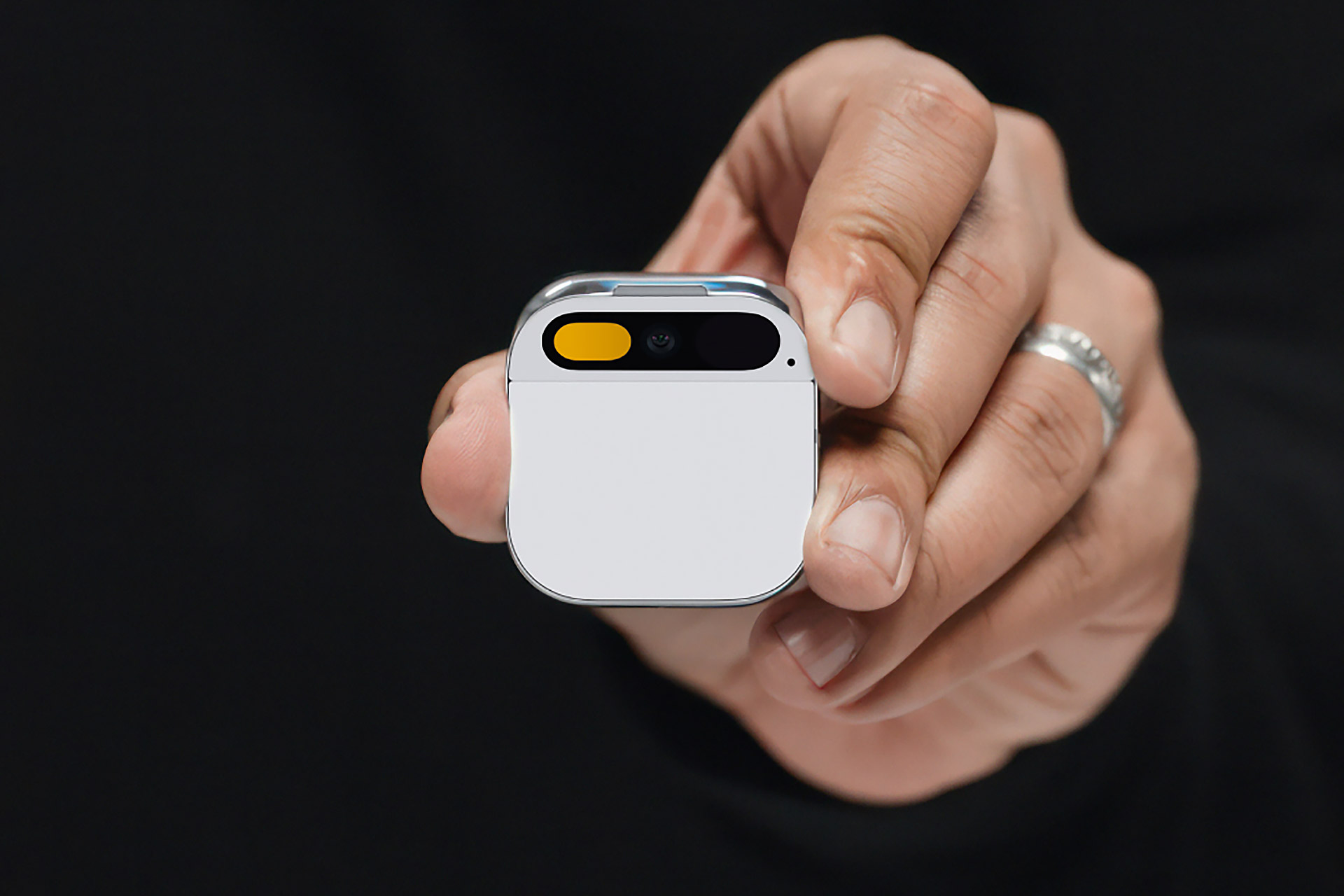
The Humane AI Pin launched at $699 plus a monthly subscription. It clips to your chest and projects a small interface onto your palm. MKBHD, arguably the most influential tech reviewer on the planet, called it "the worst product I've ever reviewed... for now." He said it was "bad at almost everything it does, basically all the time." The device ran hot even when idle. It snagged on clothing. It couldn't use Uber, Spotify, WhatsApp, or Gmail. By February 2025, Humane stopped selling it entirely, and existing devices became bricks when the servers shut down.
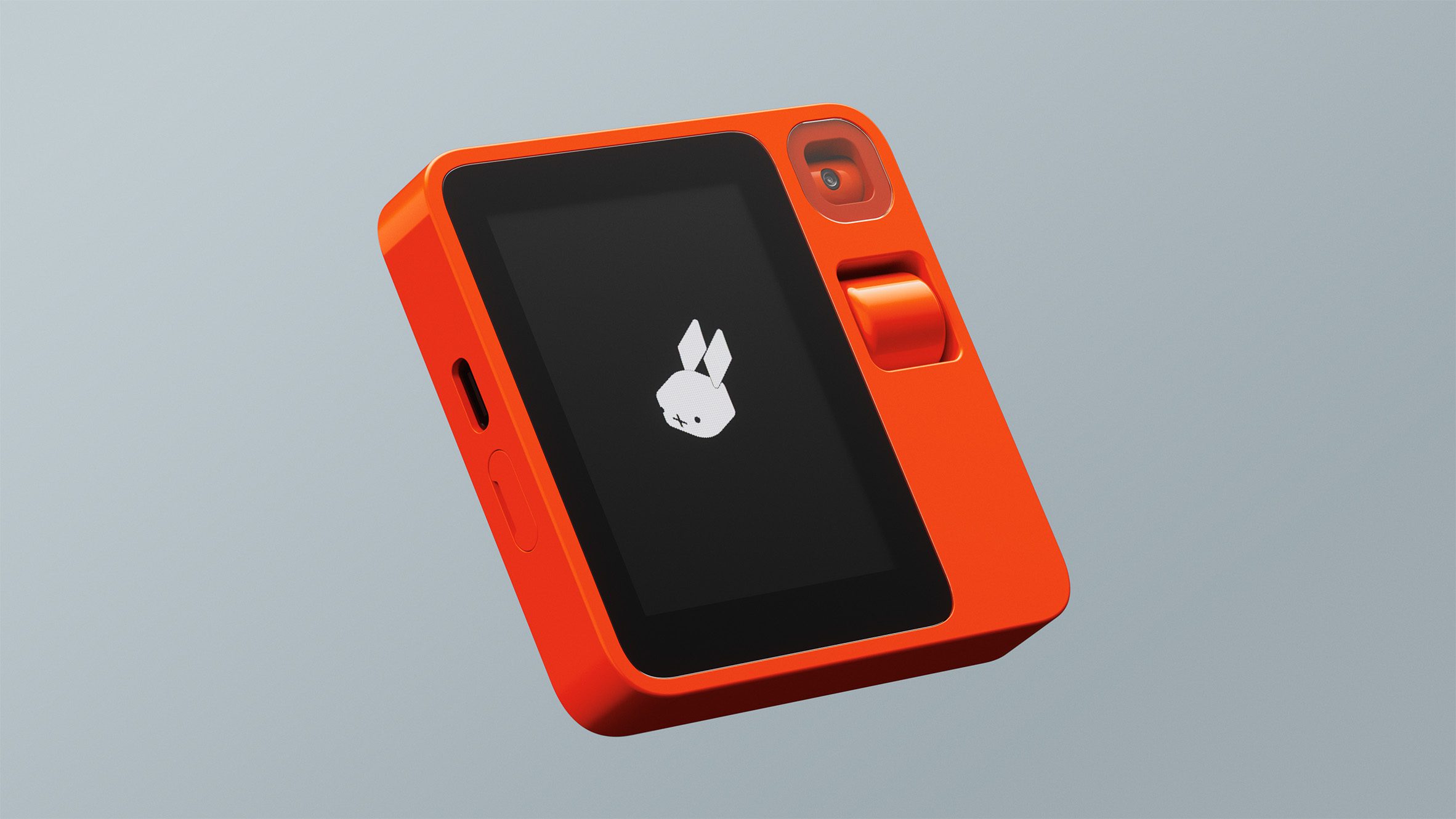
The Rabbit R1 was a $199 orange gadget co-designed with Teenage Engineering. Admittedly beautiful hardware. But The Verge's review was damning. When pointed at food, it confidently identified a Cool Ranch Dorito as a taco. DoorDash integration never worked. Uber integration never worked. And then the really embarrassing part: journalists discovered the whole thing was basically just an Android app. You could run the R1's software on a Pixel phone.
Tab, Pendant, Limitless. The AI necklaces that record your conversations and summarize them. Different packaging, same fundamental problem.

What do all these devices have in common?
First, none of them replace anything you already carry. They ask you to clip a new thing to your shirt. To carry a new gadget in your pocket alongside your phone. To wear a new pendant around your neck. Each one is an addition, not a replacement.
Second, and more importantly, they try to be the smartphone instead of working with it. The Humane AI Pin was explicitly positioned as "post-smartphone." The Rabbit R1 promised a "new paradigm" for AI interaction. They weren't building companions to the phone. They were trying to kill it.
That's a much harder problem.
I Get It, Though
Here's where I want to pause, because I don't want this to read as a hit piece on the talented people who built these devices.
I get it. I really do.
We all want to make the next iPhone. Every designer's dream is to create something that impacts the world as much as the smartphone did. To see something you helped build in the hands of billions of people. To define a new category.
The teams at Humane and Rabbit weren't stupid. They raised hundreds of millions of dollars from smart investors. They hired brilliant engineers and designers. They saw a genuine opportunity: AI was getting good enough to enable new interaction paradigms. If you could be the one to capture that moment...
But the smartphone already won. And that's okay.
The Steering Wheel Era

People ask why the smartphone has gotten "boring" over the last few years. Where's the innovation? Why do phones look basically the same as they did in 2017?
But here's my counter-question: why hasn't the steering wheel gotten more exciting? Or the light switch? Or the doorknob?
Because we figured them out.
These things aren't boring. They're solved. Iteration slowed because the core design works. The steering wheel doesn't need to be reimagined every year. It does its job perfectly.
The smartphone is entering its steering wheel era.
We have a device with excellent cameras, a responsive touch screen, connectivity to everyone we know, access to every app and service we could want, enough battery to last a day, and it all fits in our pocket. What more do we need from the form factor itself?
Innovation still happens. It just happens within the smartphone now. Better cameras. Faster chips. AI assistants built right in. The rectangle isn't the limiting factor anymore.
We figured the smartphone out so well that we got bored and started trying to make it fold again. Foldable phones are cool, don't get me wrong, but they're almost a solution in search of a problem. We're so settled on the smartphone's dominance that the only "innovation" left is origami.
Boring isn't an insult. It's an achievement.
The One Exception
If you've read this far, you might think I'm dismissing all hardware innovation. I'm not.
There's one category of AI wearable that actually has a shot: smart glasses.
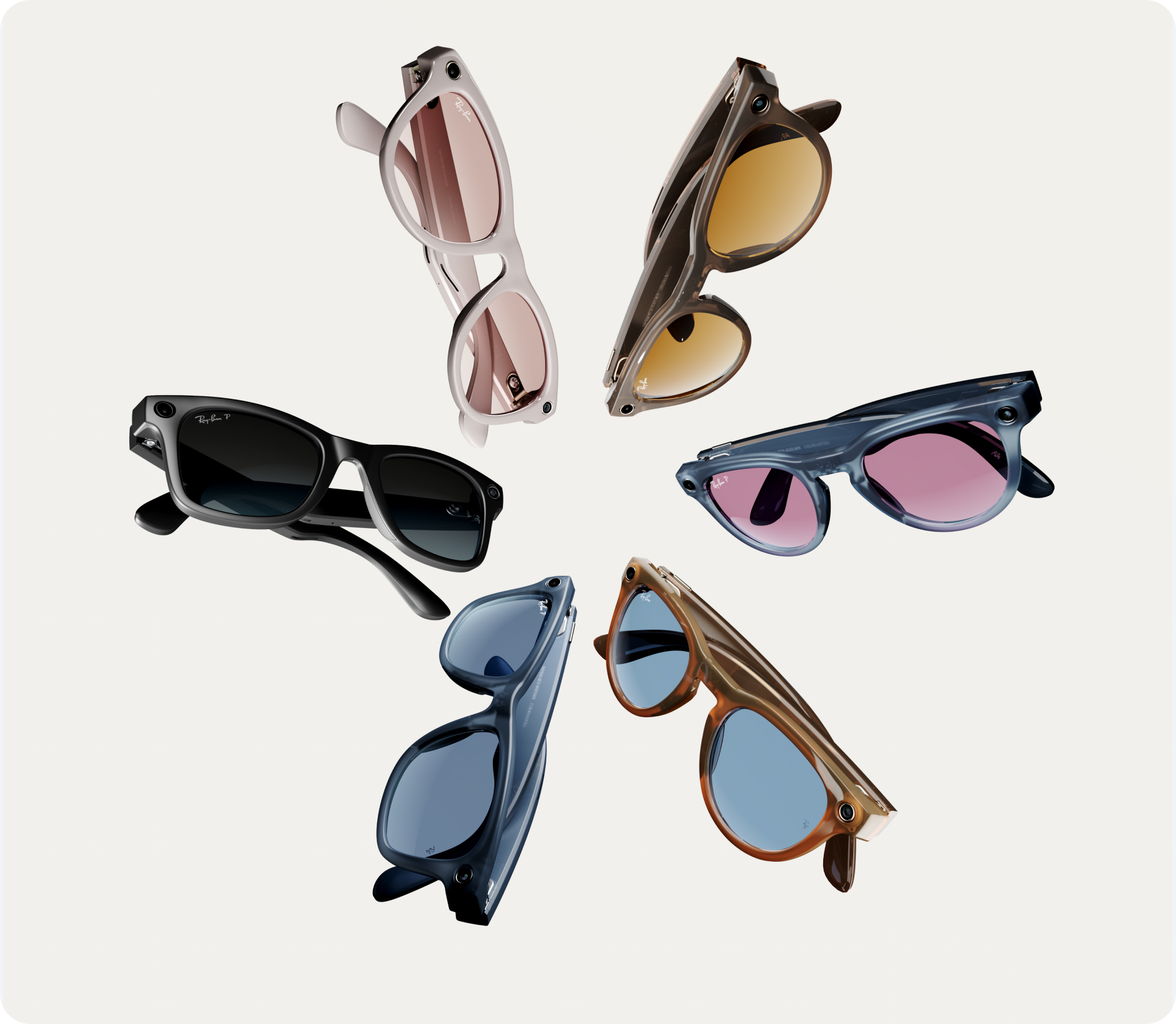
Why? Because 64% of American adults already wear prescription eyeglasses. That's 166 million people who put something on their face every single morning. Glasses follow the same rule as smartwatches and AirPods: they're upgrading something people already use.
And crucially, smart glasses work with the smartphone. The Ray-Ban Metas pair with your phone. They sync your photos. They let you listen to calls. They're not trying to replace your iPhone. They're making it more accessible when your hands are full or your phone is in your pocket.
But even here, there's a caveat. Smart glasses will only succeed if they stay humble. They need to be Ray-Bans that happen to have a camera, not a computer that happens to look like glasses. The moment they try to replace the smartphone, they'll fail just like everything else.
The path forward isn't "kill the phone." It's "make the phone more present in more contexts."
Sources:
- Pew Research: Mobile Fact Sheet - Smartphone ownership statistics
- Steve Ballmer's iPhone Quote - "No chance" prediction
- Wareable: Apple Watch Sales - First year unit sales
- Statista: AirPods Sales - First year unit sales
- MKBHD AI Pin Review Coverage - "Worst product" review
- The Verge: Rabbit R1 Review - Device critique
- Warby Parker: Glasses Statistics - Eyewear usage data